

Over the past few years, the new energy vehicle (NEV) industry has witnessed remarkable growth, driven by technological advancements, environmental concerns, and supportive government policies. As a supplier of new energy vehicle parts, I’ve been closely monitoring the market trends and developments. In this blog, I’ll share my insights on the market trends for new energy vehicle parts in the next five years.

1. Continued Growth of the New Energy Vehicle Market
The global new energy vehicle market is expected to continue its upward trajectory in the next five years. According to a report by BloombergNEF, global electric vehicle sales are projected to reach 54 million by 2040, up from around 3 million in 2020. This growth will be fueled by several factors, including stricter emission regulations, declining battery costs, and increasing consumer demand for sustainable transportation.
As the demand for new energy vehicles grows, so will the demand for new energy vehicle parts. This presents a significant opportunity for suppliers like us. We need to be prepared to meet the increasing demand by expanding our production capacity, improving our product quality, and developing new and innovative parts.
2. Technological Advancements in Battery Technology
Battery technology is one of the most critical components of new energy vehicles. Over the next five years, we can expect to see significant technological advancements in battery technology, which will have a profound impact on the new energy vehicle parts market.
One of the key trends in battery technology is the development of solid-state batteries. Solid-state batteries offer several advantages over traditional lithium-ion batteries, including higher energy density, longer lifespan, and improved safety. Many major automakers and battery manufacturers are investing heavily in the research and development of solid-state batteries, and we can expect to see commercialization of solid-state batteries in the next few years.
Another trend in battery technology is the improvement of battery management systems (BMS). BMS plays a crucial role in ensuring the safety and performance of batteries. Over the next five years, we can expect to see more advanced BMS that can monitor and control battery performance in real-time, optimize charging and discharging processes, and prevent battery failures.
As a new energy vehicle parts supplier, we need to stay ahead of these technological advancements in battery technology. We need to develop new parts and components that are compatible with the latest battery technologies, such as solid-state batteries and advanced BMS.
3. Increasing Demand for Electric Motors and Powertrain Components
Electric motors and powertrain components are essential parts of new energy vehicles. Over the next five years, we can expect to see an increasing demand for electric motors and powertrain components, driven by the growing popularity of new energy vehicles.
One of the key trends in electric motor technology is the development of high-power and high-efficiency electric motors. High-power electric motors can provide better acceleration and performance, while high-efficiency electric motors can improve the energy efficiency of new energy vehicles. Many automakers are also exploring the use of new materials and designs to reduce the weight and size of electric motors, which can further improve the performance and range of new energy vehicles.
In addition to electric motors, we can also expect to see an increasing demand for powertrain components, such as inverters, converters, and transmissions. These components play a crucial role in converting electrical energy from the battery into mechanical energy to drive the wheels of the vehicle. As the demand for new energy vehicles grows, the demand for these powertrain components will also increase.
As a new energy vehicle parts supplier, we need to focus on developing high-quality electric motors and powertrain components. We need to invest in research and development to improve the performance and efficiency of our products, and we need to ensure that our products are compatible with the latest electric vehicle platforms.
4. Growing Importance of Autonomous Driving and Connectivity
Autonomous driving and connectivity are two of the most significant trends in the automotive industry today. Over the next five years, we can expect to see an increasing integration of autonomous driving and connectivity technologies in new energy vehicles, which will have a significant impact on the new energy vehicle parts market.
Autonomous driving technologies require a wide range of sensors, cameras, and other components to enable vehicles to perceive their surroundings and make decisions. As the demand for autonomous driving features grows, the demand for these sensors and components will also increase.
Connectivity technologies, on the other hand, enable vehicles to communicate with each other, with the infrastructure, and with the cloud. This can provide a range of benefits, such as improved safety, efficiency, and convenience. Over the next five years, we can expect to see more new energy vehicles equipped with advanced connectivity features, which will require new and innovative parts and components.
As a new energy vehicle parts supplier, we need to be prepared to meet the growing demand for autonomous driving and connectivity components. We need to develop new parts and components that are specifically designed for these applications, and we need to work closely with automakers and technology companies to ensure that our products are integrated seamlessly into the latest new energy vehicle platforms.
5. Focus on Lightweighting and Sustainability
Lightweighting and sustainability are two important trends in the automotive industry, and they are particularly relevant to the new energy vehicle parts market. Over the next five years, we can expect to see an increasing focus on lightweighting and sustainability in the design and production of new energy vehicle parts.
Lightweighting is essential for improving the energy efficiency and range of new energy vehicles. By using lightweight materials, such as aluminum, carbon fiber, and high-strength steel, automakers can reduce the weight of vehicles, which can in turn reduce the energy consumption and increase the range of new energy vehicles.
Sustainability is also becoming increasingly important in the automotive industry. Consumers are becoming more environmentally conscious, and they are demanding vehicles that are more sustainable and eco-friendly. Over the next five years, we can expect to see more new energy vehicles that are made from recycled materials and that have a lower carbon footprint.
As a new energy vehicle parts supplier, we need to embrace these trends in lightweighting and sustainability. We need to develop new parts and components that are made from lightweight and sustainable materials, and we need to optimize our manufacturing processes to reduce waste and energy consumption.
6. The Role of Our Company in the Market
As a dedicated supplier of new energy vehicle (NEV) parts, we are well-positioned to capitalize on the evolving market trends over the next five years. With a proven track record in delivering high-quality components to the global automotive industry, we have the expertise, infrastructure, and agility to meet the growing demand for NEV-compatible solutions.
We offer a comprehensive portfolio of NEV parts across seven key categories:
- Body & Exterior – aerodynamic panels, bumpers, grilles, and structural components designed for durability and style
- Lamps & Lighting – advanced LED systems, headlamps, tail lamps, and signal lighting for enhanced visibility and safety
- Chassis & Wear Parts – suspension, steering, and braking components engineered for performance and reliability
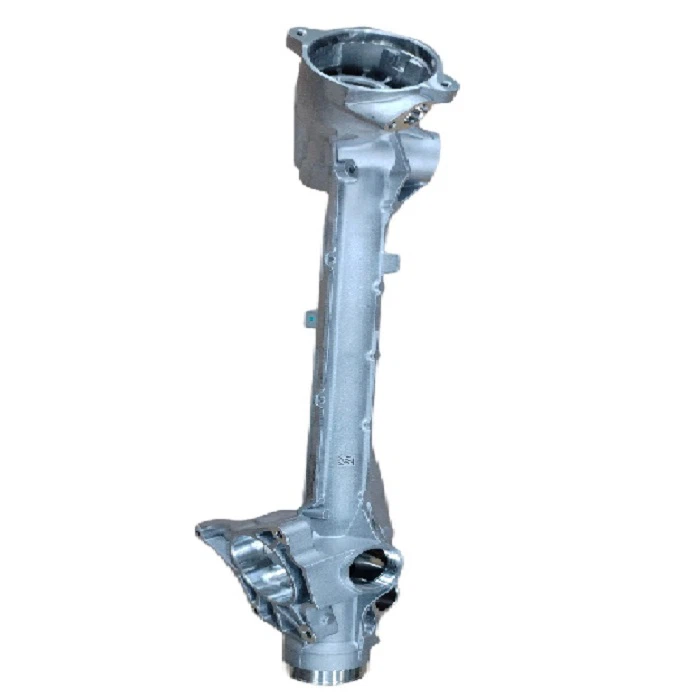
- NEV Core & Charging – motor housings, DHT covers, battery enclosures, and charging interfaces compatible with leading platforms
- Electronics & ADAS – sensors, control modules, and smart systems supporting autonomous and assisted driving technologies
- Interior & Trim – ergonomic trims, dashboard elements, and comfort-focused interior parts tailored for modern EV cabins
- Diagnostic & Tools – professional-grade tools and diagnostic equipment for efficient maintenance and system calibration
Our commitment to innovation drives us to invest continuously in research and development. We explore new materials, modular designs, and advanced manufacturing processes to improve the performance, efficiency, and sustainability of every part we produce. By working closely with our customers, we deliver customized solutions that meet specific technical and commercial requirements—ensuring compatibility, quality, and long-term value.
7. Connect with Us for Your New Energy Vehicle Parts Needs
If you are an automaker or a supplier in the new energy vehicle industry, we would love to connect with you. Whether you are looking for high-quality new energy vehicle parts, innovative solutions, or customized manufacturing services, we have the expertise and resources to meet your needs.
We believe that collaboration is key to success in the new energy vehicle industry. By working together, we can develop new and innovative solutions that will help to drive the growth of the new energy vehicle market and make our transportation more sustainable.
Please feel free to reach out to us to discuss your new energy vehicle parts requirements. We look forward to the opportunity to work with you and contribute to the future of the new energy vehicle industry.
References
- BloombergNEF. (2020). Electric Vehicle Outlook 2020.
- Various industry reports and research papers on new energy vehicle technology and market trends.

 industry has witnessed remarkable growth, driven by technological advancements, environmental concerns, and supportive government policies. As a supplier of new energy vehicle parts, I’ve been closely monitoring the market trends and developments. In this blog, I’ll share my insights on the market trends for new […])